What Stakeholders in the Nigerian Online Gaming Industry Need to Know
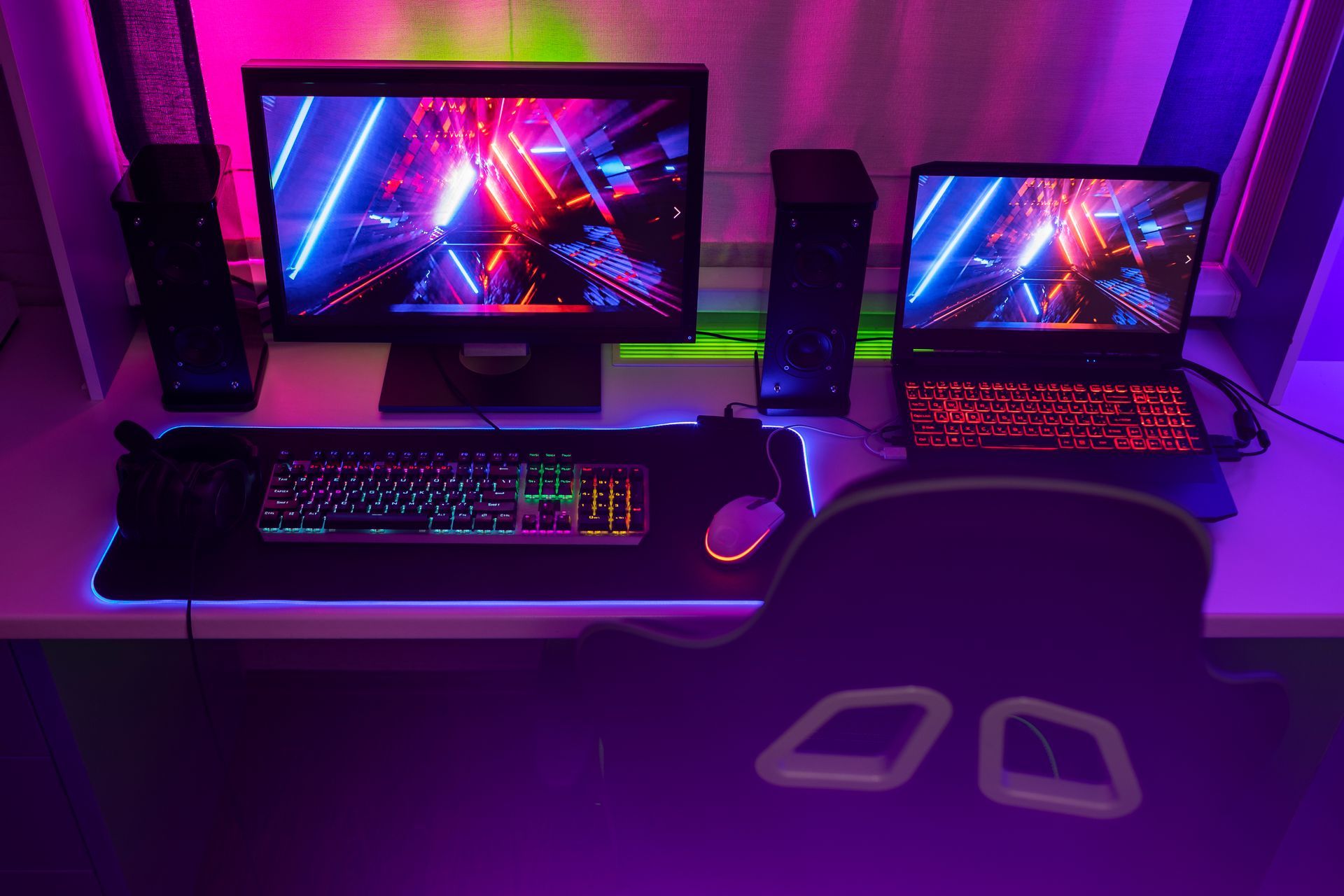
Just recently, Twitch, a global leading streaming platform for gamers and game- related activities, announced that they have received over 1000 copyright claims relating to contents on the platform.
Following the recent increase in the number of content creators and Esports enthusiasts in Nigeria, many of which host content on platforms like Twitch, we decided to highlight key pointers to avoid their works being taken down for copyright violation using the Twitch talking point.
The most commonly used platforms for content creators and Esports enthusiasts are Twitch, YouTube, Facebook Gaming etc. Copyright issues on these platforms are generally governed by the Digital Millennium Copyright Act (“DMCA”), which seeks to protect access to or copying of a copyrighted work.
Interestingly, when it involves gaming and Esports, the issue with the DMCA is mainly with the incorporation of musical contents in gaming contents by Esports tournament organisers and content creators.
While the DMCA provides a safe harbour for web hosts and internet service providers regarding copyright infringement claims provided that they implement certain notice or takedown procedures, it also ensures that there is a process to be followed before claims against infringing copyright contents can be carried out.
The procedure involves the copyright owner mandatorily providing the following information to the relevant platform:
- The name, address and electronic signature of the complaining
- The infringing materials and their internet location, or if the service provider is an “information location tool”, the reference
- Information that will be sufficient enough to identify the copyrighted
- A statement saying no legal basis for the usage of copyrighted work in the infringing
Once the above requirements have been satisfactorily provided and established, the hosting platform will then remove such infringing work from their site permanently, and this can negatively affect an Esports tournament organiser and Gaming content creator who may have put in a lot of work to develop the content but made the mistake of incorporating copyrighted work( which is primarily musical works) without a due license.
Consequently, persons in this category must exercise care in developing their contents. A safer approach would be to collaborate with the owners of the copyrighted work by obtaining a license to incorporate their work in the gaming content. However, it is understandable that this may be a problematic approach. That being said, a more manageable approach would be to use works from royalty- free platforms.